All You Need to Know About Полосовой стан – Industrial Guide & Innovations
Understanding the полосовой стан: A Crucial Component in Modern Industry
At first glance, the term полосовой стан might sound a bit esoteric—yet behind it lies a backbone piece of technology integral to many industrial processes worldwide. This machinery stands as a symbol of progress in metal processing, enabling efficiency and precision that echo through manufacturing lines from Asia to Europe. Grasping what полосовой стан really is and how it functions is more than an academic pursuit; it highlights innovations that affect everything from infrastructure development to renewable energy projects globally.
The Global Significance of the полосовой стан
The global steel production output crossed 1.8 billion metric tons in 2023, according to the World Steel Association. Machines like the полосовой стан serve as critical enablers in turning raw steel ingots into thin, workable strips essential for countless applications—from automotive bodies to solar panel frames. This method addresses key industry challenges such as minimizing waste and increasing production speed, which align with goals highlighted in the United Nations’ Sustainable Development agenda, particularly linked to responsible consumption and industry innovation.
But the story isn't just about mass production. It’s also about how полосовой стан units adapt in diverse industrial settings, from cramped factory floors to remote construction sites. As demand for stronger, lighter materials grows, so does the need for versatile and scalable equipment.
What Exactly Is a полосовой стан?
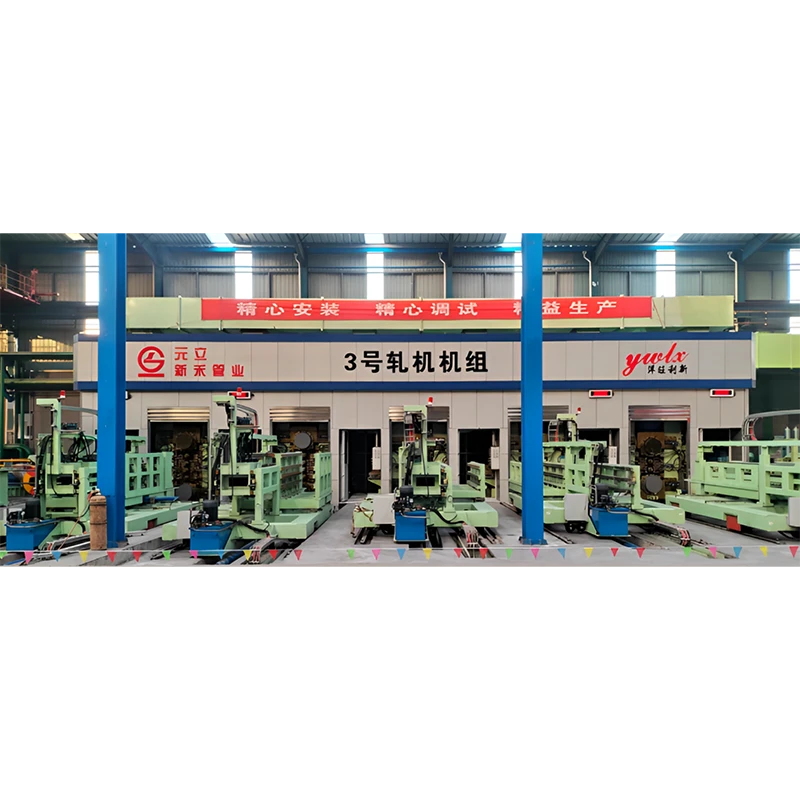
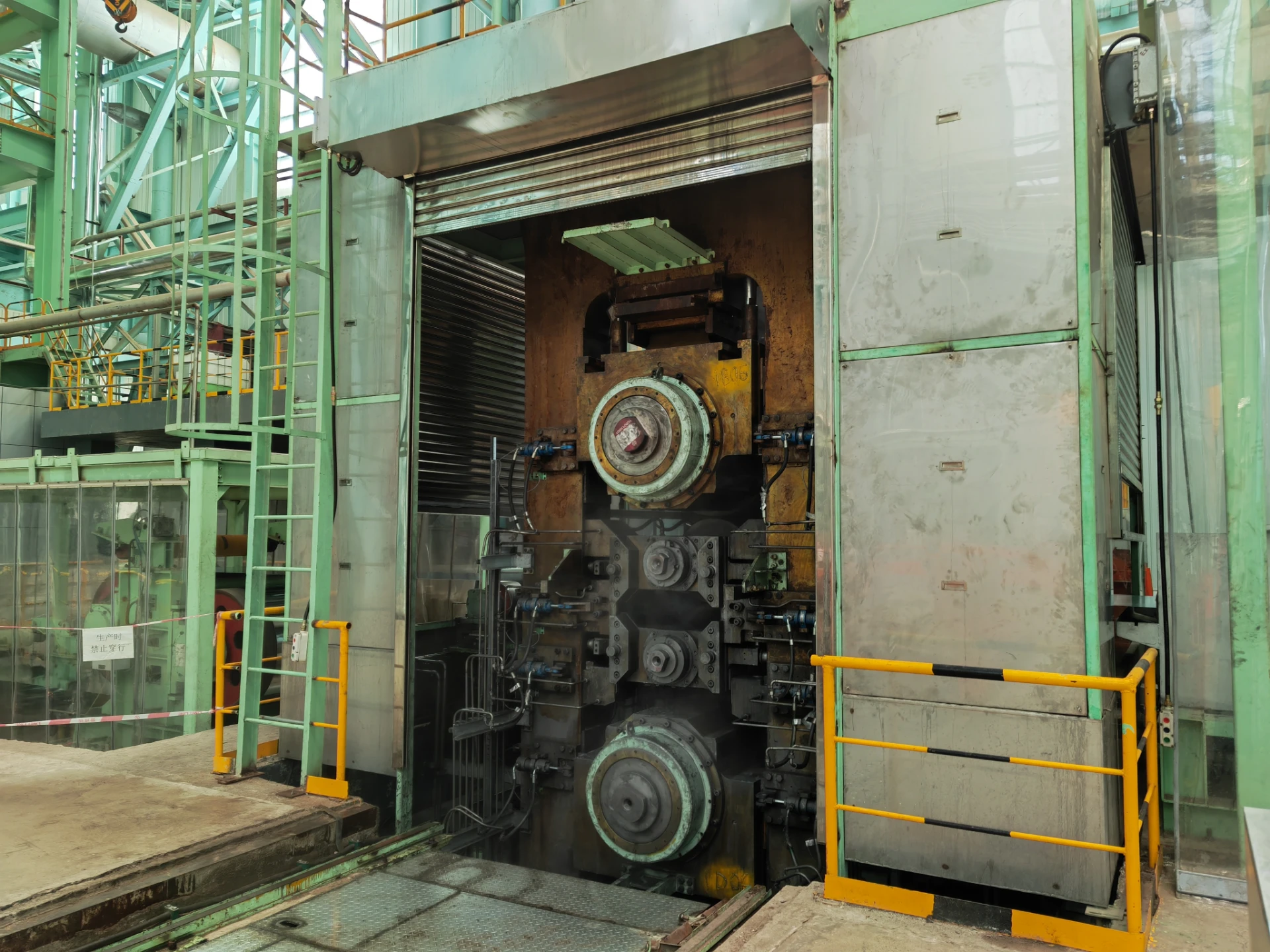
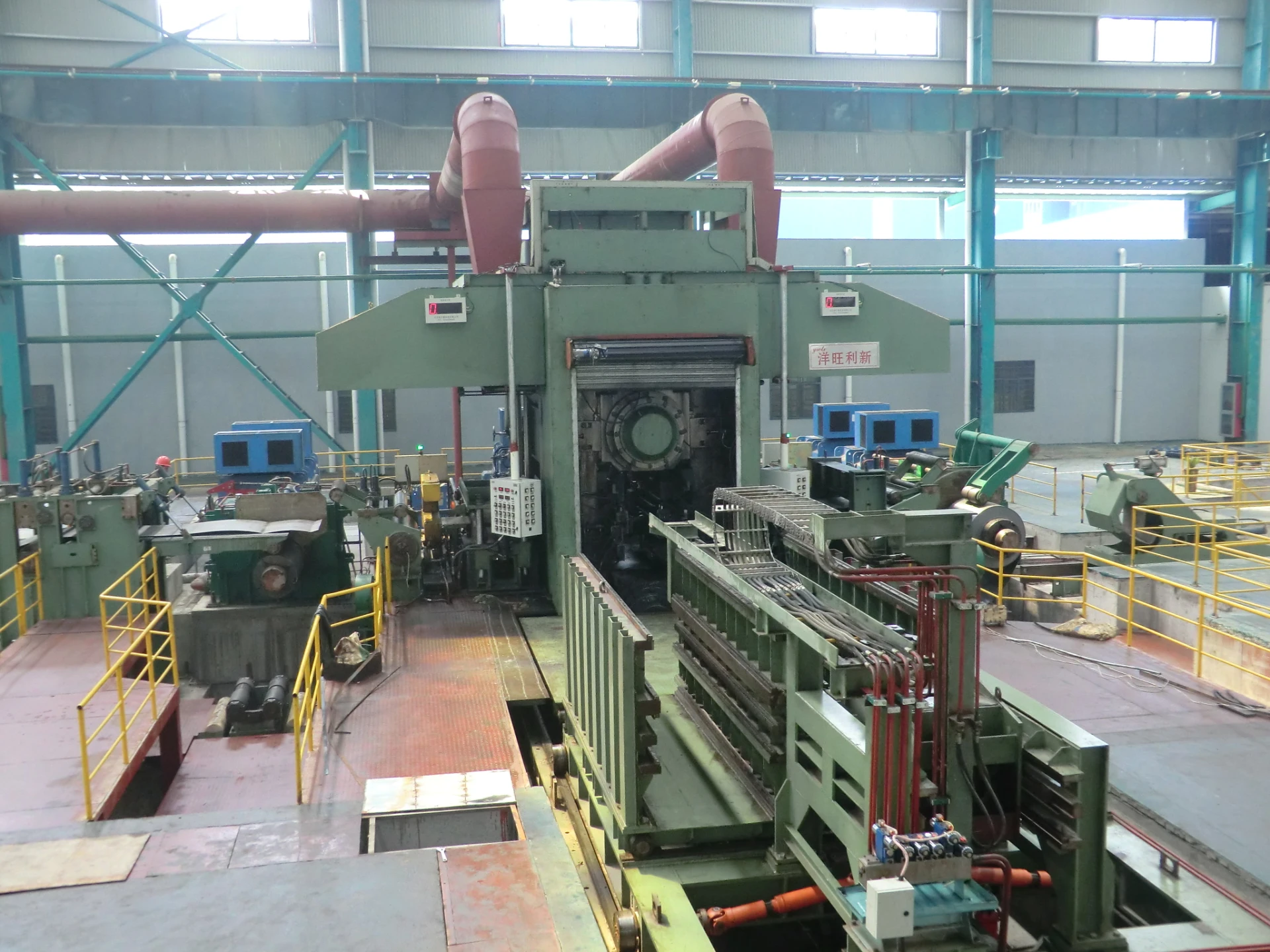
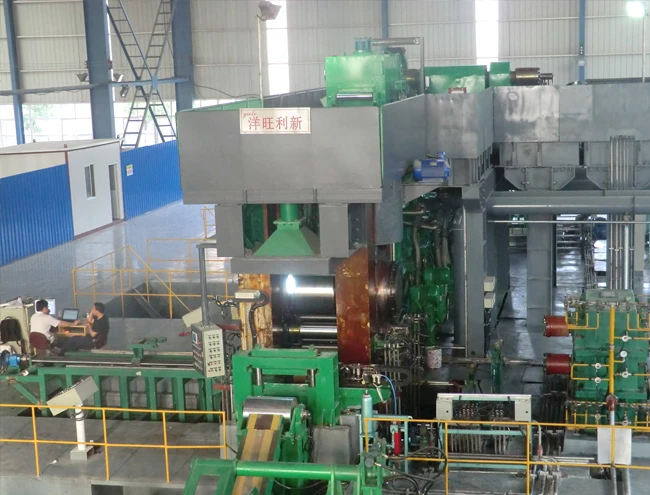
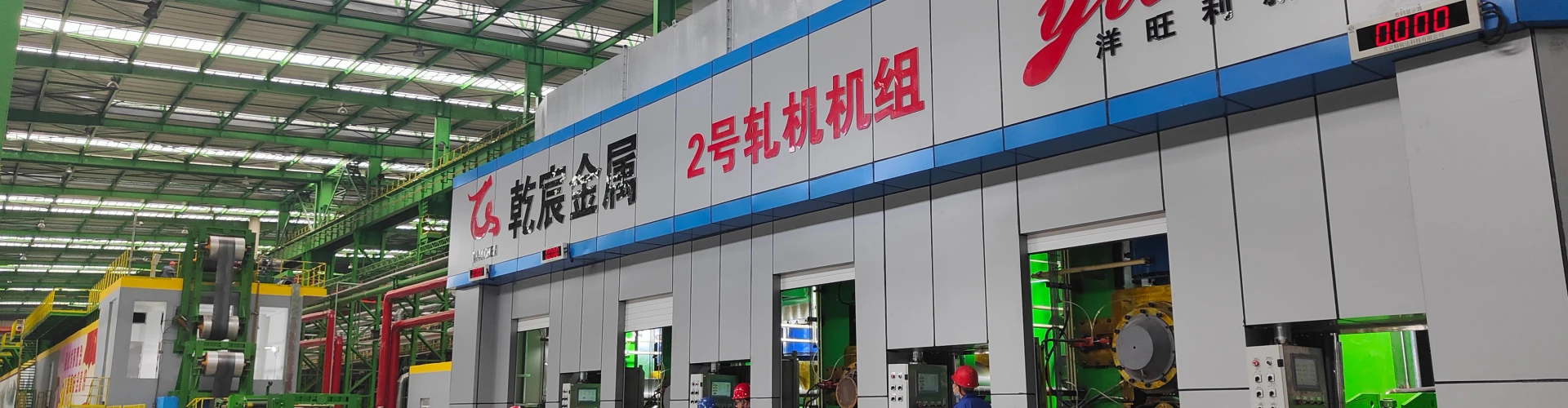
Simply put, a полосовой стан is a rolling mill designed for processing metal sheets or strips. Think of it as a highly specialized conveyor that presses thick slabs of metal between rollers, gradually reducing thickness and enhancing surface quality. This specialized machinery enables precise control over metal thickness and width — essential for producing components that fit tightly into modern devices or heavy-duty structural parts.
Its importance transcends traditional manufacturing — by enabling consistent, lightweight, and durable products, полосовой стан technology supports the creation of safer vehicles, stronger buildings, and more sustainable infrastructure. Oddly enough, it’s one of those behind-the-scenes heroes that rarely gets the spotlight but quietly propels industry standards forward.
Core Components and Features of the полосовой стан
1. Durability
Since metal processing involves extreme forces and temperatures, the полосовой стан must be engineered from robust materials. High-grade steel frames and heat-resistant rollers keep the machine operational longer, reducing costly downtime.
2. Scalability
Whether you’re running a small-scale operation or a vast manufacturing plant, полосовой стан systems can be customized to scale output. Modular designs allow flexibility in line length and roller diameter, adapting to varying slab sizes.
3. Precision Control
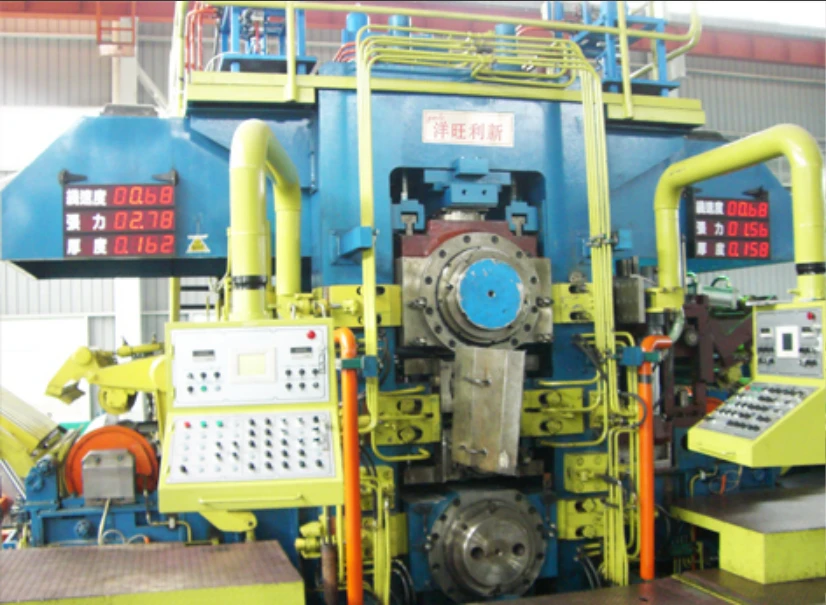
The ability to adjust roller speed and gap is crucial. Modern полосовой стан setups often integrate advanced digital controls coupled with sensors to ensure exact metal thickness and surface finish, minimizing post-processing.
4. Cost Efficiency
By optimizing throughput and reducing waste, these machines save raw material costs and boost productivity—especially important amid fluctuating metal prices.
5. Energy Efficiency
New iterations increasingly focus on lowering energy consumption through advanced motor designs and regenerative braking systems, supporting global efforts to curb industrial carbon footprints.
Mini takeaway:
In real terms, a полосовой стан is not just a big metal roller but a fine-tuned system merging brute strength with smart tech.
Real-World Applications & Regional Impact
The полосовой стан finds its place in really vast and varied contexts:
- Automotive Industry (Europe & Asia): Producing ultra-thin steel used in car bodies that need to balance safety with lighter weight for fuel efficiency.
- Construction (Middle East): Shaping metal strips for building reinforcements and façade panels that face harsh climates.
- Renewable Energy (North America): Manufacturing precise metal strips for wind turbine blades and solar panel frames.
- Post-Disaster Relief: Quickly producing durable metallic sheets to fabricate temporary shelters or infrastructure parts.
One noteworthy example is a steel plant in Eastern Europe that upgraded its полосовой стан line to reduce waste by 15%, directly boosting profitability during historically unstable markets.
Полосовой стан Specification Table
| Specification | Standard Model | Heavy-Duty Model |
|---|---|---|
| Roller Diameter | 1200 mm | 1600 mm |
| Max Strip Width | 2000 mm | 2500 mm |
| Thickness Range | 0.5 - 5.0 mm | 0.3 - 10.0 mm |
| Max Rolling Speed | 50 m/min | 40 m/min |
| Power Consumption | 150 kW | 220 kW |
Comparing Leading Полосовой стан Vendors
| Vendor | Customization | After-Sales Support | Innovation Focus |
|---|---|---|---|
| SteelRoll Inc. | High (modular) | 24/7 global hotline | Automation & IoT integration |
| MetalFlex Ltd. | Moderate | On-site technical support | Energy-efficient motors |
| RollTech Solutions | Low (standard units) | Remote diagnostics | Advanced sensor tech |
Advantages & Long-Term Value of Using a полосовой стан
There’s more than just cost savings at play here. Many engineers say the reliability of полосовой стан machinery improves workplace safety—decreasing risks linked to manual metal shaping. Additionally, consistent precision reduces material waste, lowering environmental impact and increasing profitability simultaneously.
From a social perspective, higher-quality steel products empower builders and manufacturers to create safer infrastructure, improving community resilience to natural disasters. It’s innovation wrapped in practical value — and frankly, it’s an exciting arena to watch evolve.
Emerging Trends & Future Innovations
The next decade promises intriguing developments: integration of AI-driven controls that predict maintenance needs, use of eco-friendly lubricants, and adoption of renewable energy for powering полосовой стан equipment. Plus, additive manufacturing techniques might soon play a bigger role in producing parts for these machines, slashing production times.
Digital twins — virtual replicas of machinery — are already helping manufacturers optimize performance without physical trials, saving time, money, and resources. Frankly, it feels like the role of полосовой стан will only expand as the digital and green revolutions gather pace.
Challenges & Practical Solutions
Of course, not everything is smooth. Challenges like high upfront costs, need for skilled technicians, and wear-and-tear on rollers can limit accessibility for smaller plants. Some regions still lack infrastructure for rapid repair and parts replacement, causing downtime. However, solutions like leasing models, remote technical support, and standardized parts have started to bridge these gaps.
Industry groups recommend investing in operator training and real-time monitoring sensors to extend machinery lifespan and maximize uptime. Over time, these pragmatic steps pay off—often faster than anticipated.
FAQ: Frequently Asked Questions About полосовой стан
1. How does a полосовой стан differ from other rolling mills?
A полосовой стан specializes in processing metal strips with high precision in thickness and width, often featuring faster speeds and greater automation compared to traditional rolling mills designed for bulk slab processing.
2. What industries benefit most from полосовой стан machines?
Automotive, construction, electronics, and renewable energy sectors rely heavily on полосовой стан for producing the durable, lightweight metal strips essential for their products.
3. How energy-efficient are modern полосовой стан units?
Recent models incorporate energy-saving motors and regenerative braking systems, reducing power consumption by up to 20% compared to older designs, reflecting a larger push toward sustainable manufacturing.
4. Is skilled labor required to operate полосовой стан machinery effectively?
Yes, trained operators are essential to maintain precision and machine health, but many vendors now offer user-friendly digital controls and remote support to ease the learning curve.
5. Can полосовой стан equipment be customized for special metal alloys?
Absolutely. Modular designs and adjustable roller systems allow adaptation for various alloy types, thickness ranges, and production speeds.
Conclusion: Why the полосовой стан Matters Now More Than Ever
In the grand scheme, the полосовой стан is more than just industrial equipment — it’s a linchpin in the journey towards smarter, cleaner, and more efficient manufacturing. As global demands shift toward sustainability and precision, investing time to understand and adopt полосовой стан technology promises not only economic gains but also a contribution to safer, greener industrial futures.
For those curious to explore this technology further, and perhaps integrate it into your workflow, I warmly invite you to visit our website: https://www.bjywlx.com — a rich resource on полосовой стан solutions offered today.
References:
-
Ship Multi-Project Equipment on the Lantern FestivalNewsMar.03,2026
-
YWLX Deep Dives into Cladding Line with Dubai ClientNewsDec.22,2025
-
1450mm 6-Hi Reversing Mill Goes Live in BangladeshNewsOct.28,2025
-
Sep. 3rd Parade: Carry Forward and Press OnNewsSep.03,2025
-
Indian Clients Visit YWLX to Inspect Skin-pass MillNewsJun.22,2025
-
Full- throttle! YWLX's Intense Production During May DayNewsMay.01,2025
-
YWLX Participated in the 2025 Chinese GAP Program Review ConferenceNewsApr.17,2025