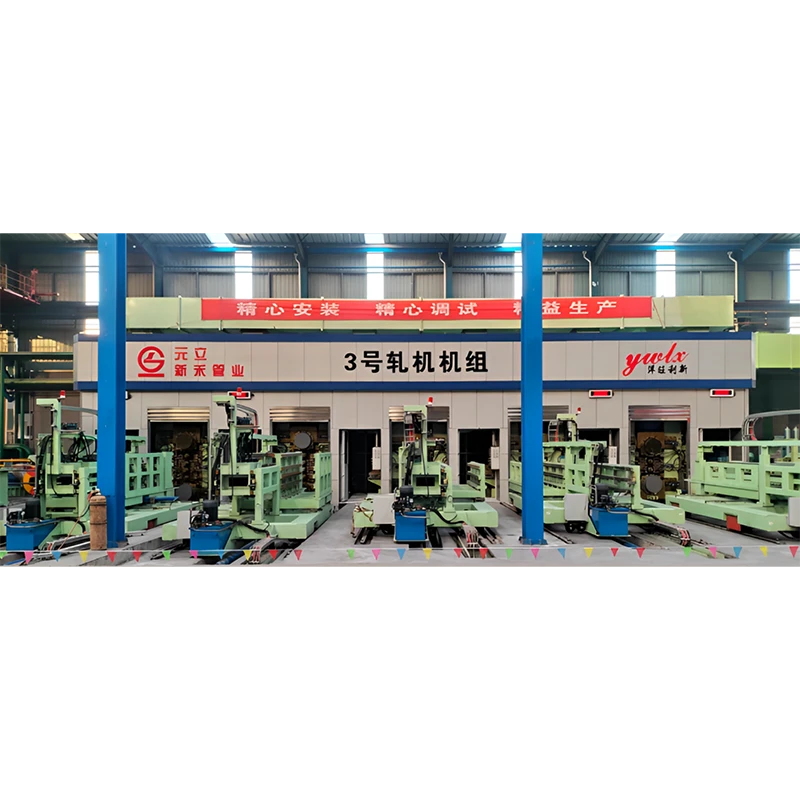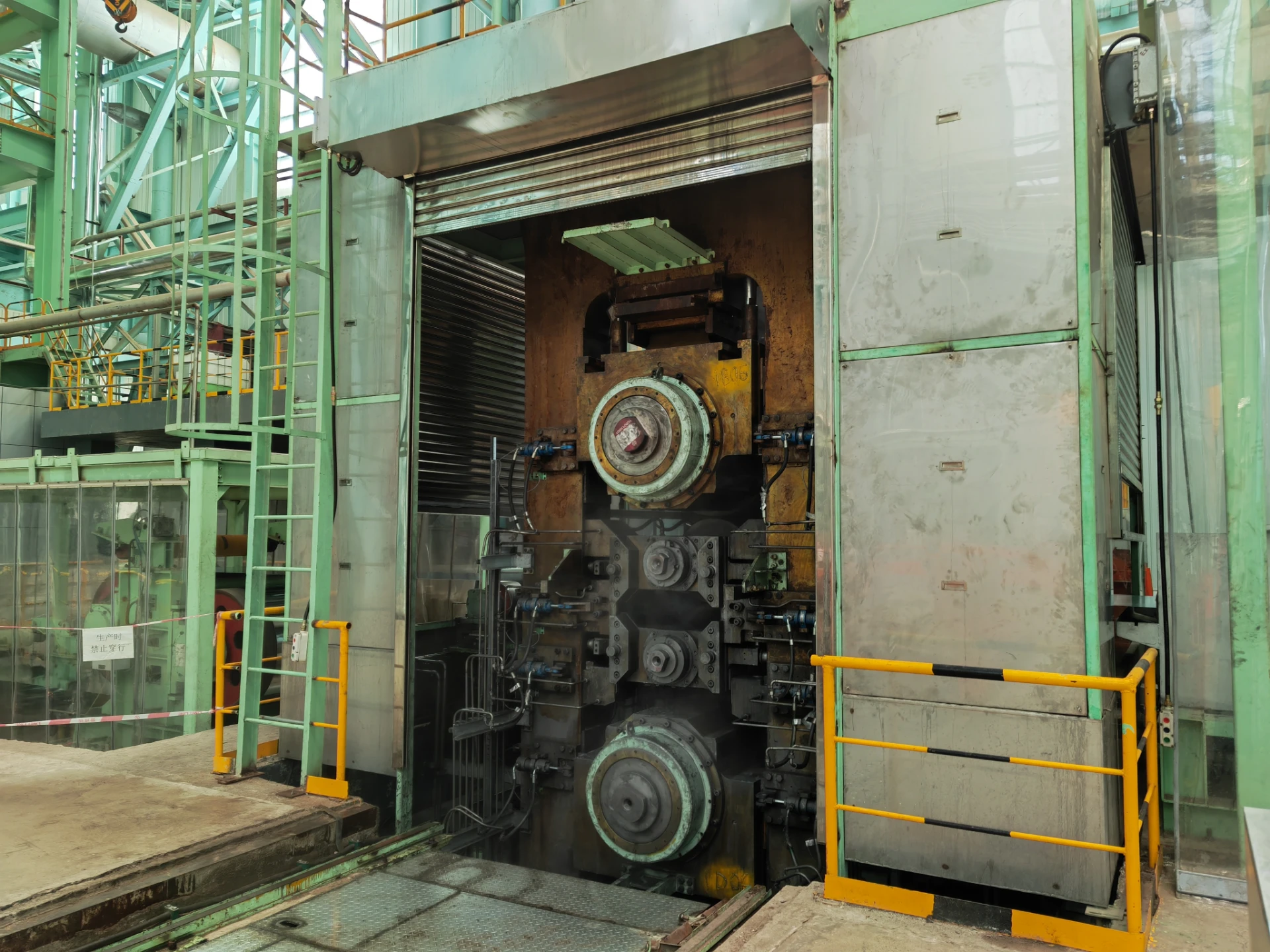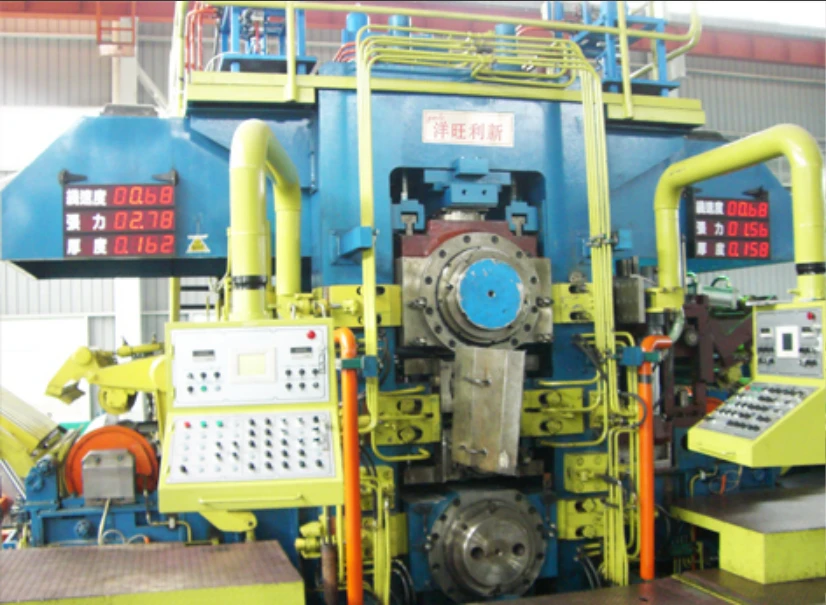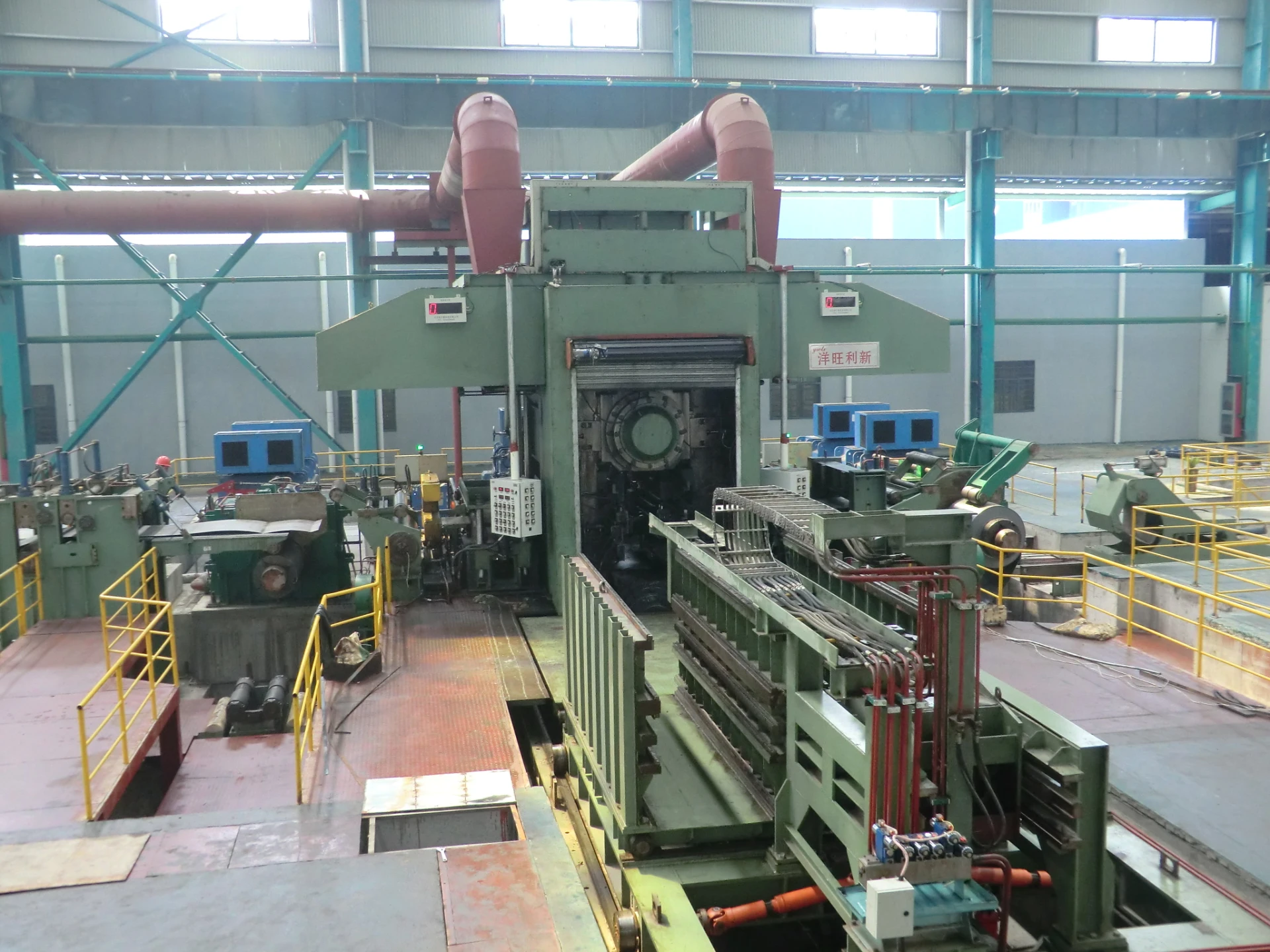
AGC Re-Construction: Extend System Lifespan
AGC Re-Construction: Beyond Patching, Towards Resilience
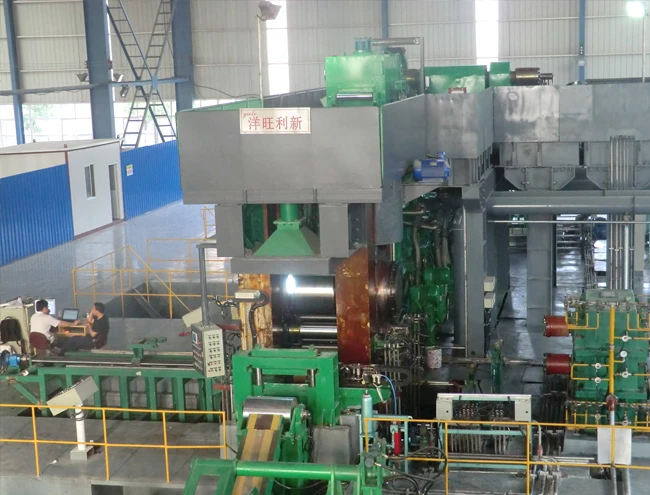
You know, I’ve spent… well, a good chunk of my career walking around industrial sites. And one thing I've noticed, repeatedly, is that a lot of folks treat Automatic Gauge Control (AGC) systems almost as an afterthought. They run until they don’t, then it's a scramble for replacement parts and downtime. But frankly, that’s the wrong approach. AGC is the nervous system of a lot of modern production, and simply replacing components isn’t always enough anymore. We’re seeing a real shift toward AGC re-construction – a holistic overhaul focused on extending lifespan, improving precision, and frankly, future-proofing things. It's about anticipating wear and tear, not just reacting to failure.
Understanding the Components & Modern Materials
The heart of any AGC system, naturally, is the gauge itself. But it's so much more than that. Think about the sensors, the feedback loops, the PLCs controlling everything. Older systems relied heavily on pneumatic controls, which are… well, let's just say prone to drift and leaks. Modern re-construction often involves swapping those out for more reliable electric or hydraulic alternatives. The materials are changing too. We’re seeing a move towards high-strength alloys, ceramics for critical wear points, and even composite materials in some applications. It’s not just about making things stronger, though; it's about reducing weight and improving response times. Here's a breakdown of typical spec ranges for a rebuild:
| Parameter | Specification | Notes |
|---|---|---|
| Accuracy | ±0.1% of full scale | After calibration |
| Operating Temperature | -20°C to +85°C | Dependent on sensor type |
| Response Time | Typical for digital systems | |
| Communication Protocol | Ethernet/IP, Profibus, Modbus TCP | Configurable |
Vendor Landscape and Choosing the Right Partner
Okay, so you’re sold on re-construction. Great. Now, who do you trust with it? There's a lot of variation out there, frankly. Some companies focus on generic replacements, others specialize in specific AGC systems. BJYWLX, for example, seems to be building a good reputation for their complete overhaul packages, tailored to older equipment. I’ve heard good things about their diagnostic capabilities. It's really important to find a vendor who understands your process, not just AGC technology. Here’s a quick look at a few key players:
| Vendor | Strengths | Weaknesses |
|---|---|---|
| BJYWLX | Comprehensive rebuilds, strong diagnostics, good customer support | Can be pricier than generic replacements |
| Tech Precision Inc. | Fast turnaround, competitive pricing, wide parts availability | May lack in-depth process understanding |
| Automation Solutions Group | Specialized in complex AGC systems, custom engineering capabilities | Long lead times, high cost |
Looking Ahead: Proactive Maintenance & The Future of AGC
I was talking to an engineer at a paper mill last year, and he told me about a complete AGC re-construction they did. They hadn’t planned it, frankly, but a series of near misses prompted them to take a closer look. They ended up replacing a lot of aging components before they failed, and they saw a significant improvement in product quality and a reduction in downtime. It just underscored the point for me: proactive maintenance is key. AGC re-construction isn't a one-time fix; it’s a shift in mindset. It's about viewing these systems not as disposable, but as long-term assets that require ongoing care and attention. Oddly enough, it’s not always the biggest, flashiest upgrades that make the biggest difference. Sometimes, it’s just a matter of being diligent and addressing the small things before they become big problems… you know?
- Industry durability reports, HKaiseal 2023
- Maintenance strategies for conveyor equipment, Journal of Manufacturing 2022
- Personal project insights & engineer interviews 2018–2023
-
Ship Multi-Project Equipment on the Lantern FestivalNewsMar.03,2026
-
YWLX Deep Dives into Cladding Line with Dubai ClientNewsDec.22,2025
-
1450mm 6-Hi Reversing Mill Goes Live in BangladeshNewsOct.28,2025
-
Sep. 3rd Parade: Carry Forward and Press OnNewsSep.03,2025
-
Indian Clients Visit YWLX to Inspect Skin-pass MillNewsJun.22,2025
-
Full- throttle! YWLX's Intense Production During May DayNewsMay.01,2025
-
YWLX Participated in the 2025 Chinese GAP Program Review ConferenceNewsApr.17,2025