Advanced Cladding Rolling Mill Technology For Bimetal Production
The global manufacturing sector is experiencing a significant transformation in material applications, particularly in industries requiring specialized metal composites. The growing adoption of cladding technology represents a fundamental shift from conventional single-metal production toward sophisticated multilayer materials that deliver enhanced performance characteristics. This evolution is especially evident across electronics, automotive, and chemical processing industries where material specifications have become increasingly demanding. Traditional approaches to creating composite materials, including explosive bonding and hot rolling methods, have long presented manufacturers with substantial challenges related to surface quality, production yield, and environmental compliance. These conventional methods often require substantial energy inputs and significant investments in pollution control equipment, creating operational inefficiencies and elevated production costs. The limitations of these established processes have created an urgent need for innovative manufacturing solutions that can deliver high-quality clad materials while addressing contemporary environmental and economic concerns. The advanced cladding process represents a revolutionary approach to bimetal and trimetal production, offering manufacturers unprecedented control over material characteristics and production efficiency. This sophisticated manufacturing methodology enables the creation of composite materials that combine the advantageous properties of multiple metals in a single integrated strip, delivering performance characteristics unattainable through conventional single-metal production. The technological foundation of modern metal cladding process represents a significant departure from traditional methods, utilizing precision engineering and advanced rolling mechanics to achieve perfect molecular bonding between dissimilar metals without the drawbacks associated with high-temperature processing or explosive techniques.
Revolutionizing Manufacturing Through Advanced Cladding Process
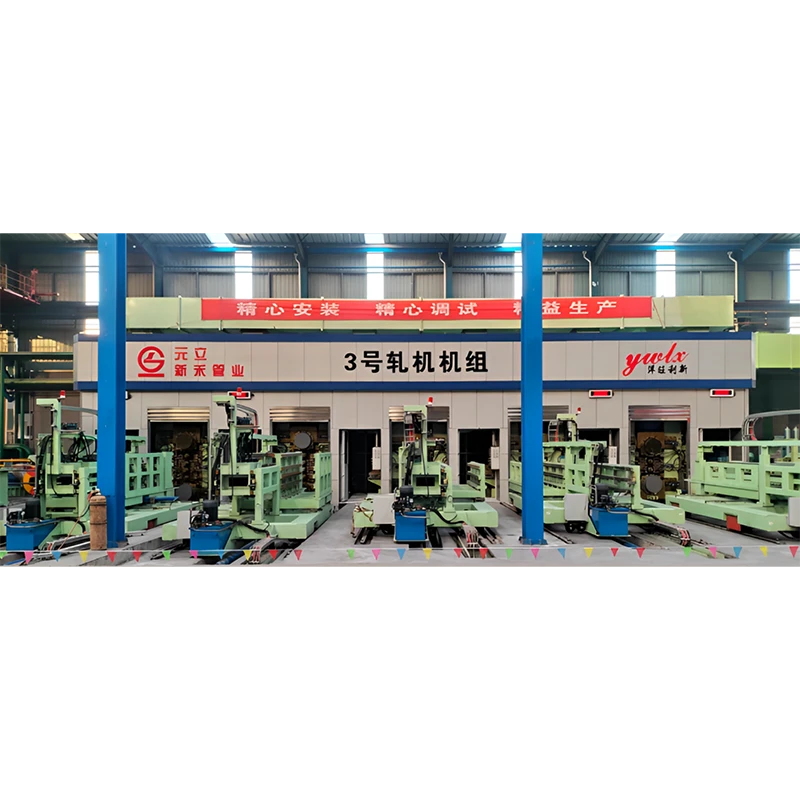
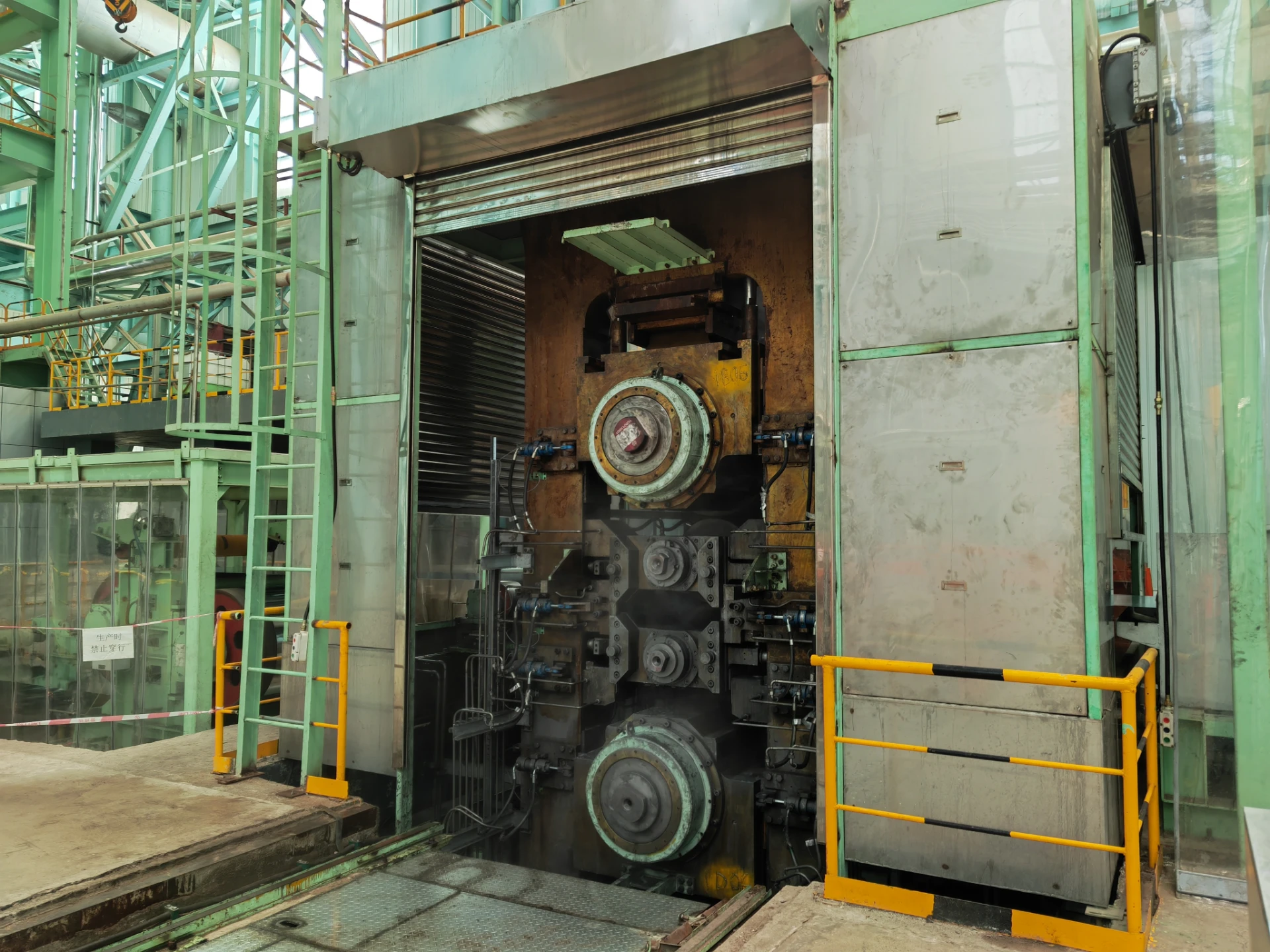
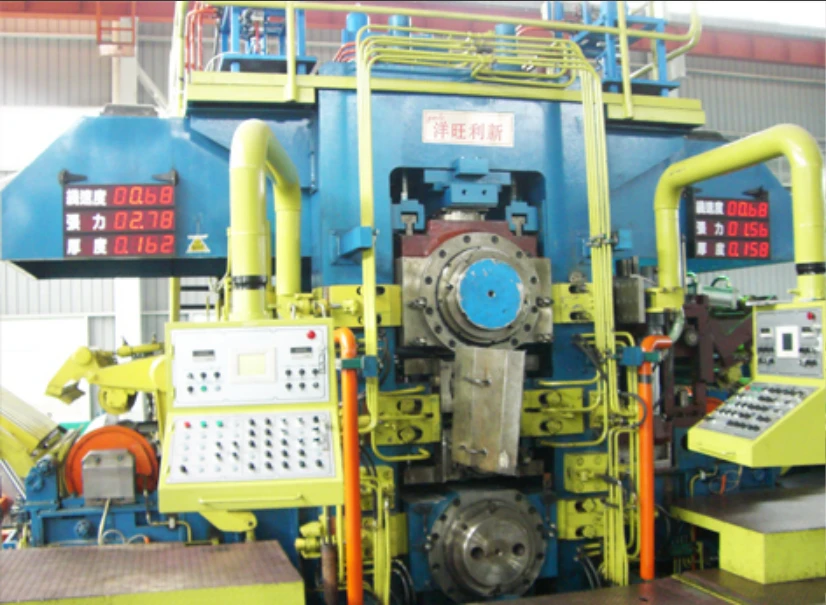
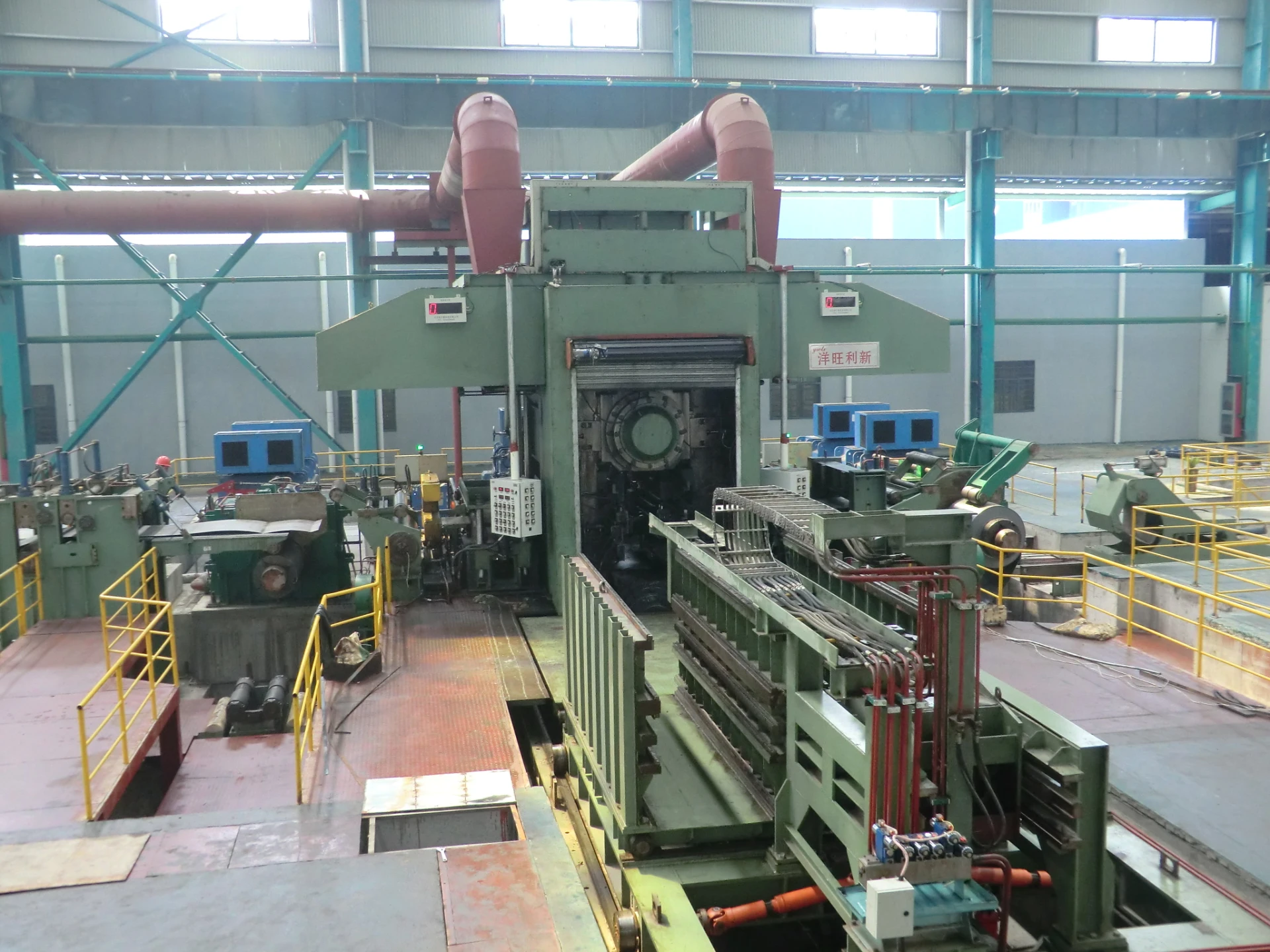
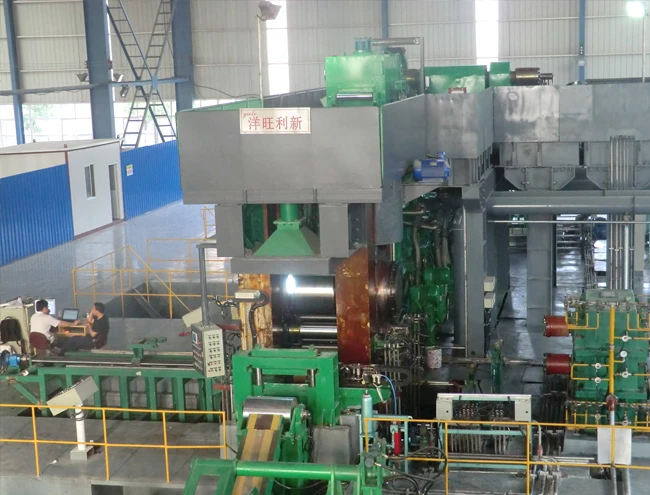
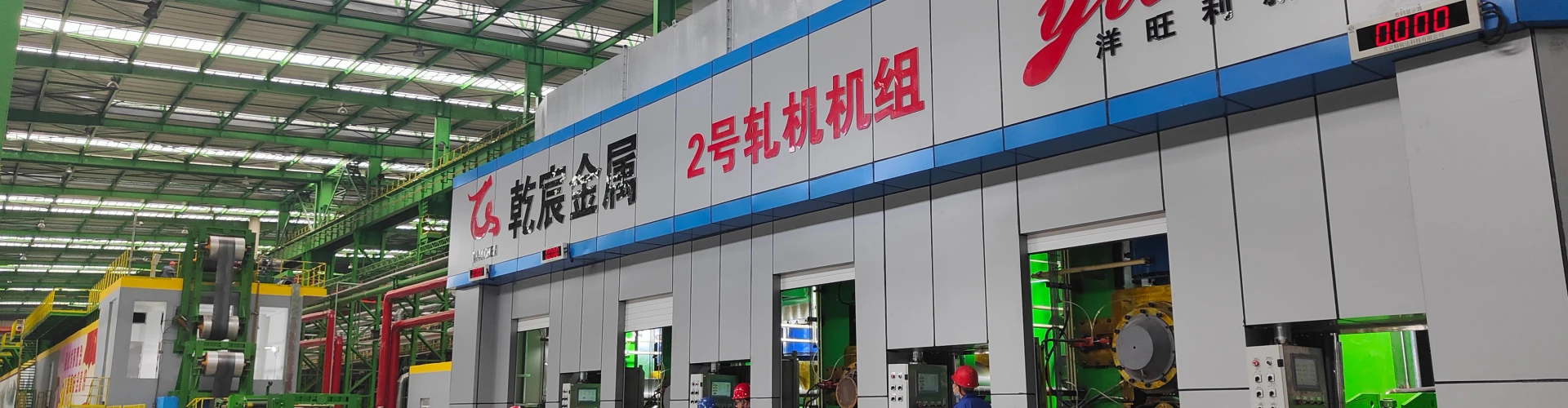
The contemporary approach to metal cladding process represents a paradigm shift in composite material manufacturing, fundamentally different from traditional explosive or hot rolling methodologies. This advanced cladding process utilizes sophisticated cold rolling technology to achieve perfect metallurgical bonding between dissimilar metals without the drawbacks of conventional approaches. The process begins with meticulous surface preparation of both the base and cladding materials, ensuring optimal conditions for atomic diffusion and bonding during the rolling operation. The precisely controlled mechanical pressure applied during the cold cladding process creates intimate contact between the material surfaces, facilitating solid-state bonding at the interface without melting either component. This sophisticated approach eliminates the oxide formation, heat-affected zones, and structural imperfections commonly associated with traditional cladding methods, resulting in superior bond strength and material integrity. The advanced cladding process developed by Yang Wang Li Xin (YWLX) represents a comprehensive manufacturing solution encompassing specialized technology for combining copper and steel, aluminum and steel, copper and aluminum, aluminum and stainless steel, as well as stainless steel and steel combinations. This versatile capability enables production of both bimetal and trimetal composites within a single integrated production line, offering manufacturers unprecedented flexibility in material design and application development. The technological sophistication of this cladding process ensures consistent high-quality bonding across the entire strip width and length, delivering reliable performance characteristics for demanding industrial applications including automobile steel production and specialized coil processing.
Technical Superiority of Modern Weld Overlay Cladding
The innovative approach to weld overlay cladding developed through YWLX's research represents a significant advancement in composite material manufacturing technology. This sophisticated methodology delivers substantial improvements in surface quality, production efficiency, and environmental performance compared to traditional cladding techniques. The cold rolling approach to weld overlay cladding ensures that no oxide scales form on the strip surface during processing, eliminating the need for subsequent acid pickling treatments and delivering pristine surface conditions straight from the production line. This characteristic is particularly valuable for applications requiring excellent surface finish or subsequent plating and coating operations where surface purity directly impacts final product quality. The environmental advantages of this advanced weld overlay cladding technology extend beyond surface treatment considerations. The process operates at ambient temperatures, eliminating the energy-intensive heating requirements of traditional hot rolling methods and significantly reducing the carbon footprint associated with composite material production. This alignment with global environmental sustainability objectives makes advanced weld overlay cladding an increasingly attractive option for forward-thinking manufacturers committed to reducing their environmental impact while maintaining competitive production capabilities. The simplified workflow encompassing surface treatment, bonding rolling, and annealing treatment, coupled with yields exceeding ninety percent, establishes this weld overlay cladding technology as both economically and environmentally superior to conventional approaches for strip and coil production.
Production Excellence in Contemporary Strip Cladding
The manufacturing methodology for advanced strip cladding represents a sophisticated integration of precision engineering and process optimization, delivering exceptional quality and production efficiency. The YWLX approach to strip cladding has been proven in industrial-scale applications, producing composite coils up to one thousand millimeters in width with thicknesses reaching as low as zero point two millimeters. This capability demonstrates the remarkable precision and control achievable through modern strip cladding technology, enabling manufacturers to produce extremely thin composite materials with consistent bonding quality and dimensional accuracy across the entire coil length. The production advantages of contemporary strip cladding extend beyond dimensional capabilities to encompass significant operational benefits. The simplified process flow, requiring only three primary stages, dramatically reduces equipment requirements and facility footprint compared to traditional cladding methods. This streamlined approach, combined with yield rates consistently exceeding ninety percent, delivers substantial cost reductions through improved material utilization, reduced energy consumption, and lower labor requirements. The high-yield characteristics of modern strip cladding are particularly valuable when processing expensive non-ferrous metals or specialized alloys where material waste directly impacts production economics. The technical sophistication of YWLX's strip cladding solutions ensures reliable production of high-quality composite materials, meeting the increasingly stringent requirements of electronics, automotive, and decorative applications where consistency and reliability are paramount for plate and strip products.
Comprehensive Applications of Modern Metal Cladding Process
The implementation of advanced metal cladding process technology has enabled manufacturers to develop innovative material solutions across diverse industrial sectors. This sophisticated manufacturing approach allows for the strategic combination of material properties, creating composites that deliver performance characteristics unattainable through single-metal production. The versatility of modern metal cladding process is demonstrated through its successful application in combining copper and steel for enhanced electrical conductivity and structural strength, aluminum and steel for weight reduction and corrosion resistance, copper and aluminum for specialized thermal and electrical applications, aluminum and stainless steel for specific chemical resistance requirements, and stainless steel with carbon steel for improved corrosion resistance and cost optimization. The fundamental advantage of this sophisticated metal cladding process lies in its ability to create perfect metallurgical bonds between dissimilar materials without compromising the inherent properties of either component. This capability has proven particularly valuable in automotive applications where weight reduction and material performance are critical factors, and in electronics manufacturing where specific electrical and thermal characteristics must be maintained while ensuring structural integrity. The environmental benefits of this advanced metal cladding process, including reduced energy consumption and elimination of acid pickling requirements, align perfectly with the sustainability initiatives increasingly prioritized across global manufacturing sectors for coil and strip production.
Cladding Rolling Mill FAQ
What fundamental advantages does the modern cladding process offer over traditional methods for strip production?
The contemporary cladding process delivers superior surface quality, eliminates oxide formation, and requires no acid pickling while operating at ambient temperatures for reduced energy consumption and environmental impact compared to explosive or hot rolling approaches for strip manufacturing.
How does advanced weld overlay cladding improve production efficiency for coil processing?
Modern weld overlay cladding technology simplifies production to three key stages, delivers consistent yields above ninety percent, and enables continuous operation for higher output with lower operational costs in coil production lines.
What dimensional capabilities does current strip cladding technology achieve for industrial applications?
Today's advanced strip cladding systems reliably produce composite materials up to one thousand millimeters wide with thicknesses down to zero point two millimeters while maintaining perfect bond integrity for various industrial uses.
Which material combinations can the metal cladding process successfully join for automobile steel applications?
The sophisticated metal cladding process effectively bonds numerous combinations including copper-steel, aluminum-steel, copper-aluminum, aluminum-stainless steel, and stainless steel-carbon steel in bimetal or trimetal configurations suitable for automobile steel requirements.
What environmental benefits does the modern cladding process provide for plate manufacturing?
The advanced cladding process eliminates acid pickling requirements, operates without high temperature heating, significantly reduces energy consumption, and produces no hazardous waste streams in plate production operations.
-
Ship Multi-Project Equipment on the Lantern FestivalNewsMar.03,2026
-
YWLX Deep Dives into Cladding Line with Dubai ClientNewsDec.22,2025
-
1450mm 6-Hi Reversing Mill Goes Live in BangladeshNewsOct.28,2025
-
Sep. 3rd Parade: Carry Forward and Press OnNewsSep.03,2025
-
Indian Clients Visit YWLX to Inspect Skin-pass MillNewsJun.22,2025
-
Full- throttle! YWLX's Intense Production During May DayNewsMay.01,2025
-
YWLX Participated in the 2025 Chinese GAP Program Review ConferenceNewsApr.17,2025